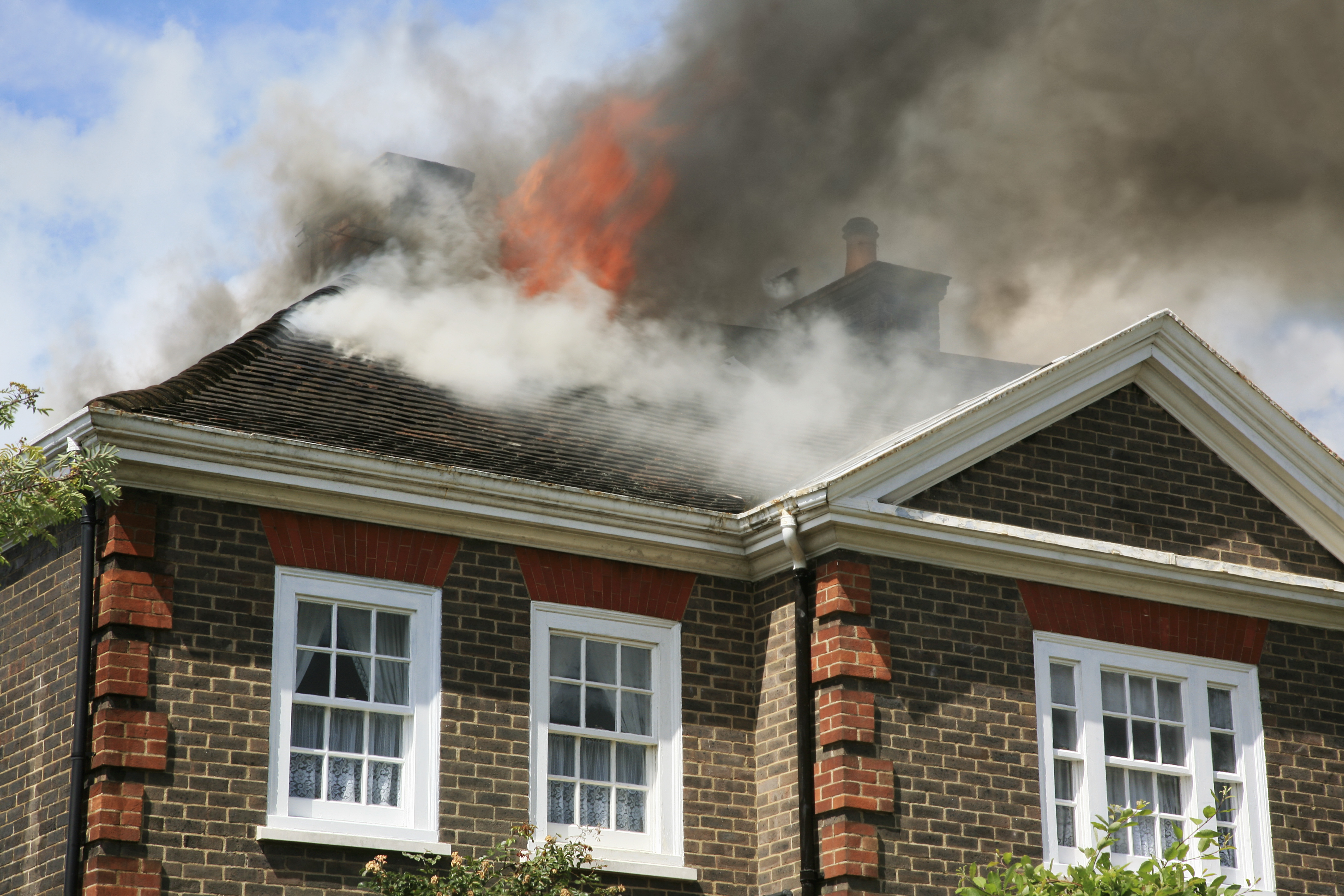
 In Fontana Builders, Inc. v. Assurance Company of America, Case No. 2014AP821, 2016 WL 3526408 (Wis. Jun. 29, 2016), the Wisconsin Supreme Court addressed whether the purchase of a homeowner’s policy by the occupiers and presumptive purchasers of a home that was still under construction terminated coverage under a builder’s risk policy issued to the builder and owner of the home. The builder’s risk policy contained a provision that the coverage will end “[w]hen permanent property insurance applies,” which the court referred to as the “permanent property insurance” condition. In a split decision, the court held that the homeowner’s policy did not “apply” so as to terminate coverage under the builder’s risk policy.
The case arose out of a June 28, 2007 fire that damaged a high-end custom home under construction in Lake Geneva, Wisconsin. At the time of the fire, the home was owned by its builder, Fontana Builders, Inc. The home represented a substantial investment for Fontana, as nearly all of its assets were invested in the house, which the company planned to use to generate new opportunities for itself in the luxury housing market. Fontana purchased a builder’s risk policy issued by Assurance in connection with its construction of the Lake Geneva home. James Accola was the president and sole shareholder of Fontana. Before the final completion of the Lake Geneva house, Mr. Accola and his wife moved into it with the intention of purchasing it upon completion so that they would have unfettered access to an example of Fontana’s finished work for marketing purposes. The Accolas purchased a homeowner’s policy with respect to their interests in the home issued by another insurer. Read more ›



 In the recent case of
 An issue that often arises in the context of property insurance is whether a carrier’s delay in adjusting a claim can create a basis for a viable bad faith claim. The law in each state is different and the prudent practice is to consult a practitioner specializing in the law of the state in question. This article focuses on Washington law and discusses two recent cases which illustrate the need to adjust property claims promptly. Failure to do so may expose a carrier to viable bad faith allegations sufficient to survive summary judgment and permit the policyholder to get its case before a jury.
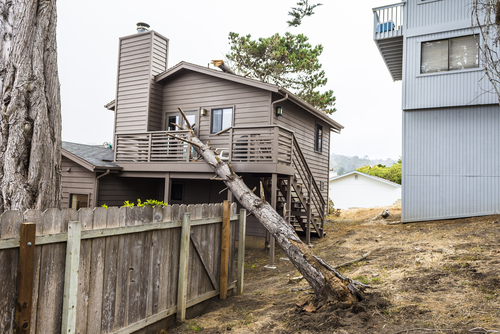




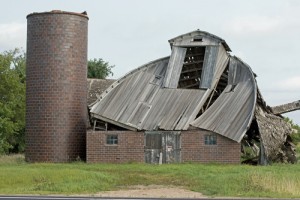 For years, property insurance policies that exclude rot damage have been called upon to cover rot because the policies extend coverage to “collapse”—an undefined term—caused by hidden decay, even if the structure remains standing and in use.